
Meditation for Mental Wellness: Finding Calm, Balance, and Emotional Strength
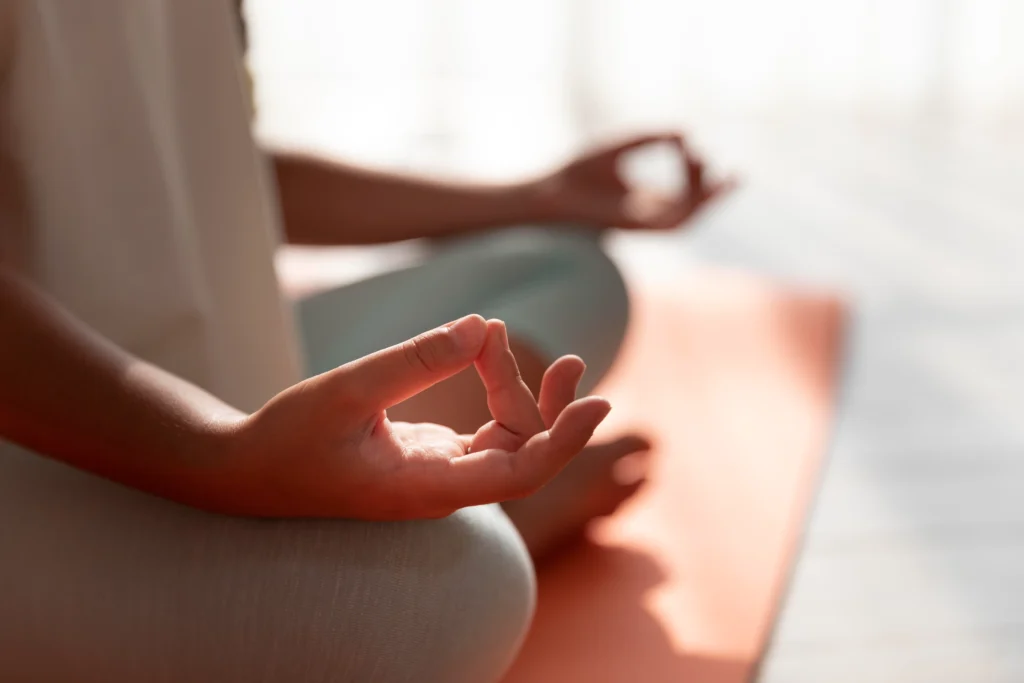
Meditation for Mental Wellness begins with a simple pause. Early in the morning, when the world is still quiet, you may sit comfortably, close your eyes, and take a slow breath. As you exhale, tension softens and the mind begins to settle. This small moment reflects how meditation creates space for calm, clarity, and emotional balance in daily life.
Meditation for mental wellness is not about forcing your mind to be silent. It is about creating space—space to observe your thoughts without being overwhelmed by them, and space for your nervous system to reset.
How Meditation for Mental Wellness Supports Emotional Balance
Meditation works by helping the brain shift out of constant “alert mode.” When practiced regularly, it activates the parasympathetic nervous system, which supports relaxation, emotional regulation, and recovery from stress.
Research shows that consistent meditation practice can:
Reduce stress and anxiety symptoms
Improve focus and attention
Support better sleep quality
Increase emotional awareness and resilience
According to studies published in JAMA Internal Medicine, mindfulness-based meditation programs can lead to measurable reductions in anxiety, depression, and stress levels—sometimes comparable to other first-line mental health supports.

Many people turn to meditation for mental wellness as a gentle way to manage stress and reconnect with themselves during challenging times.
Over time, meditation helps individuals become more aware of their internal experiences without reacting automatically. This awareness is a key component of long-term mental wellness.
Different Types of Meditation You Can Explore
There is no single “right” way to meditate. Different approaches suit different personalities, lifestyles, and emotional needs. Some of the most common forms include:
Mindfulness meditation, focusing on the breath or bodily sensations
Loving-kindness meditation, cultivating compassion toward yourself and others
Body scan meditation, gently releasing tension throughout the body
Guided meditation, using audio support to visualize calming scenes
Walking meditation, paying attention to movement and rhythm
Even short practices—just five to ten minutes a day—can begin to support mental clarity and stress relief when done consistently.
Why Meditation Sometimes Is Not Enough
While meditation for mental wellness can be powerful, it is not always sufficient on its own. Many people notice that despite regular practice, feelings of anxiety, sadness, or overwhelm continue to return.
This does not mean meditation has failed. It often means that deeper emotional patterns, life stressors, or unresolved experiences need additional support. Mental health challenges are complex, and mindfulness is most effective when it is part of a broader, supportive approach.
The American Psychological Association notes that chronic stress and emotional strain can require structured therapeutic support alongside self-care practices like meditation.

When Professional Support Complements Meditation
Meditation can be a valuable foundation—but for many individuals, combining it with professional mental health support leads to more lasting change. Therapy provides a space to explore the root causes of distress, learn coping strategies, and build emotional resilience in a guided way.
At Pace Child and Family Wellness Centre, meditation is often integrated into a broader wellness plan. Support may include counselling, therapy for anxiety or stress, and family-focused care when needed. This holistic approach helps individuals move beyond symptom management toward meaningful emotional growth.
Building a Sustainable Mental Wellness Practice
Mental wellness is not achieved overnight. It is built through small, consistent choices—learning to pause, reflect, and ask for help when needed. Meditation supports this process by offering moments of calm in the midst of daily demands.
When paired with the right support system, meditation can help individuals feel more grounded, emotionally balanced, and connected to themselves and others.
Moving Toward Balance and Peace
According to the American Psychological Association, chronic stress is linked to increased risk of anxiety and mood disorders, reinforcing the importance of accessible mental wellness strategies such as meditation and therapeutic support.
Your well-being matters. Meditation can be a meaningful starting point, but you do not have to navigate emotional challenges alone. Whether you are managing stress, anxiety, or emotional fatigue, support is available.
At Pace Child and Family Wellness Centre, individuals and families are met with compassion, understanding, and personalized care. If meditation is part of your journey—or if you are searching for the next step—help is here to support your path toward balance and peace.
If meditation alone isn’t bringing the calm you’re looking for, you don’t have to figure it out on your own.
Support is available, and sometimes the next step is simply having a conversation.