
Neurofeedback Therapy in Richmond Hill: Improve Brain Balance and Emotional Well-Being
Understanding Neurofeedback and How It Works
Neurofeedback therapy in Richmond Hill offers a friendly and non-invasive way to support the brain’s ability to regulate itself. At Pace Child and Family Wellness Centre, this approach helps foster emotional balance, mental clarity, and improved responses to stress. Used either as a standalone therapy or alongside other therapeutic supports, neurofeedback helps individuals learn to shift their brain activity toward patterns associated with focus, calm, and resilience.
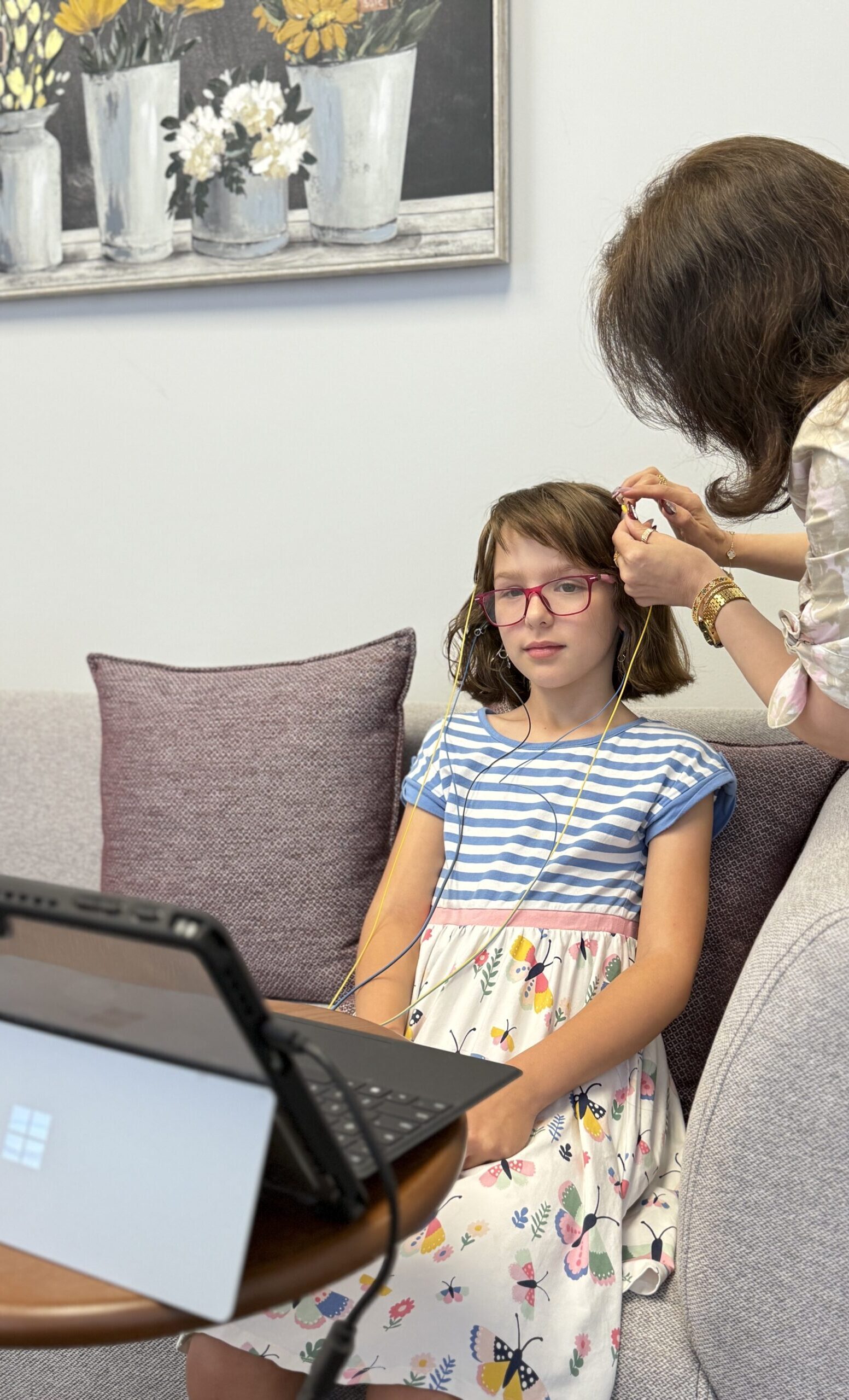
Neurofeedback is a specialized form of biofeedback that measures real-time brain wave activity using electroencephalography (EEG). During a session, small sensors are comfortably placed on the scalp to monitor electrical patterns in the brain. This data is displayed on a screen so that both the therapist and client can observe brain activity as it occurs. When the brain produces more regulated and adaptive patterns, the client receives subtle visual or auditory feedback — such as a change in sound or animation — which acts as a gentle reward that encourages the brain to repeat healthy patterns over time.
Sessions are typically structured to be interactive and engaging, lasting between thirty and sixty minutes. Clients might watch videos, listen to music, or play simple computer games, with each activity linked to their brain’s current activity. Over repeated sessions, the nervous system begins to shift away from patterns associated with stress, inattention, or emotional dysregulation, and toward more balanced and functional brain states.
How Neurofeedback Helps
Neurofeedback has been used to support individuals facing a range of challenges, including difficulty with attention, anxiety, depression, trauma responses, sleep disturbances, and complex learning differences. For example, in children experiencing attention concerns such as ADHD, neurofeedback can help reduce excess slow-wave activity while strengthening brain patterns linked with sustained focus. For individuals struggling with anxiety, the process can support a calmer brain state by reducing overactive high-frequency patterns.
Even people without a formal diagnosis often benefit from neurofeedback. Goals such as improved focus, emotional stability, sleep quality, and overall mental flexibility are commonly reported outcomes. Because neurofeedback engages the brain’s own learning capacity, many clients notice subtle improvements early in the process, with more pronounced change emerging over a series of sessions.
| Area of Support | How Neurofeedback Helps |
|---|---|
| Attention & Focus | Encourages balanced brainwave activity linked to sustained attention |
| Anxiety & Stress | Supports nervous system regulation and calmer brain states |
| Sleep Quality | Helps reduce hyperarousal patterns associated with insomnia |
| Emotional Regulation | Improves awareness and control of emotional responses |
| Learning & Cognition | Supports memory, processing speed, and mental flexibility |

What to Expect During Your Sessions
Neurofeedback therapy at Pace typically begins with an initial assessment. This may include a review of symptoms, discussion of personal goals, and sometimes a detailed brain map or quantitative EEG scan to help guide individualized training. Once the therapist has a clear understanding of baseline patterns, a personalized protocol is developed to support your unique needs.
Each session builds on the last, with progress tracked over time. While some people begin to feel benefits within six to eight sessions, a full program often includes twenty or more sessions to reinforce learning and support long-term change. The process is gentle, non-invasive, and well-suited for both children and adults.
A key distinction of neurofeedback is its role in teaching the brain to self-regulate. Instead of medication or talk-only therapy, neurofeedback works directly with the brain’s electrical activity to support healthier functioning. Over time, many clients describe clearer thinking, better emotional control, improved sleep, and greater resilience in the face of daily stressors.
Who Can Benefit from Neurofeedback Therapy?
Neurofeedback is a flexible approach that can be tailored to many different needs, including:
Supporting attention, focus, and task engagement
Reducing symptoms of anxiety or emotional overwhelm
Complementing other therapies for depression and trauma recovery
Improving sleep quality and stress regulation
Enhancing cognitive functioning and learning capacity
Supporting individuals with neurological or developmental differences
While results vary from person to person, many find that neurofeedback offers a sense of grounded stability and improved day-to-day functioning that positively influences both personal and professional life.
Is Neurofeedback Right for You?
Choosing a therapeutic approach is a personal decision, and neurofeedback may be especially appealing if you are seeking an evidence-based, non-invasive way to enhance brain function. Whether your goals involve better focus, reduced stress, improved sleep, or greater emotional balance, neurofeedback therapy can be a powerful part of your wellness journey when paired with thoughtful clinical support.
If you are looking for a supportive path to enhance brain regulation and mental well-being, neurofeedback therapy at Pace Child and Family Wellness Centre may be the right fit for you. Our team is here to guide you through every step of the process with clarity, compassion, and professional care.
Ready to enhance your focus, emotional balance, and brain performance?
Contact us to book your neurofeedback consultation and begin your journey to better brain regulation.
Contact usFrequently Asked Questions About Neurofeedback Therapy
What is neurofeedback therapy?
Neurofeedback is a specialized form of biofeedback that measures real-time brain wave activity using electroencephalography (EEG). Research published by the National Institutes of Health highlights neurofeedback as a non-invasive approach for supporting attention, emotional regulation, and stress response.
Is neurofeedback safe for children and adults?
Yes. Neurofeedback is considered a gentle and non-invasive approach and is commonly used with both children and adults. Sensors only monitor brain activity and do not send electrical stimulation to the brain.
How many neurofeedback sessions are typically needed?
The number of sessions varies depending on individual goals and needs. Some people notice changes within the first few sessions, while longer-term benefits often develop over a series of sessions designed to support lasting brain regulation.
What conditions can neurofeedback support?
Neurofeedback is commonly used to support attention challenges, anxiety, emotional regulation, sleep difficulties, trauma-related symptoms, and learning differences. It may also benefit individuals seeking improved focus or stress management.
Does neurofeedback replace medication or therapy?
Neurofeedback does not replace medical treatment or psychotherapy. It is often used as a complementary approach alongside other therapeutic supports, depending on individual needs.
What happens during a neurofeedback session?
During a session, sensors are placed on the scalp to monitor brain activity. Clients engage in interactive activities such as watching a video or listening to music while receiving real-time feedback that helps the brain learn more balanced patterns.
Do I feel anything during neurofeedback training?
Most people find sessions comfortable and engaging. Some notice feelings of relaxation or mental clarity during or after sessions, while others experience more gradual changes over time.