
Signs Your Child May Need Speech Therapy
When to Seek Support and How Early Help Makes a Difference
Some signs your child may need speech therapy can be subtle, especially during the early years of development. Speech and language skills play an important role in how children communicate, learn, and build relationships. While every child develops at their own pace, understanding what is typical can help parents feel more confident and reassured.
Becoming aware of potential concerns early allows families to take supportive, informed steps when needed. Early guidance can make a meaningful difference in a child’s communication journey.
Understanding Speech Development in Children
Children develop speech and language skills at different rates, but there are general developmental milestones that guide healthy communication growth. These milestones help parents understand whether their child’s speech and language development is progressing as expected.
When differences or delays continue over time, professional support can help clarify what is happening and identify helpful next steps. Speech therapy focuses on strengthening communication skills in ways that feel supportive and encouraging for children and families.
Recognizing early signs of speech or language difficulties allows families to seek guidance before small concerns become more complex.
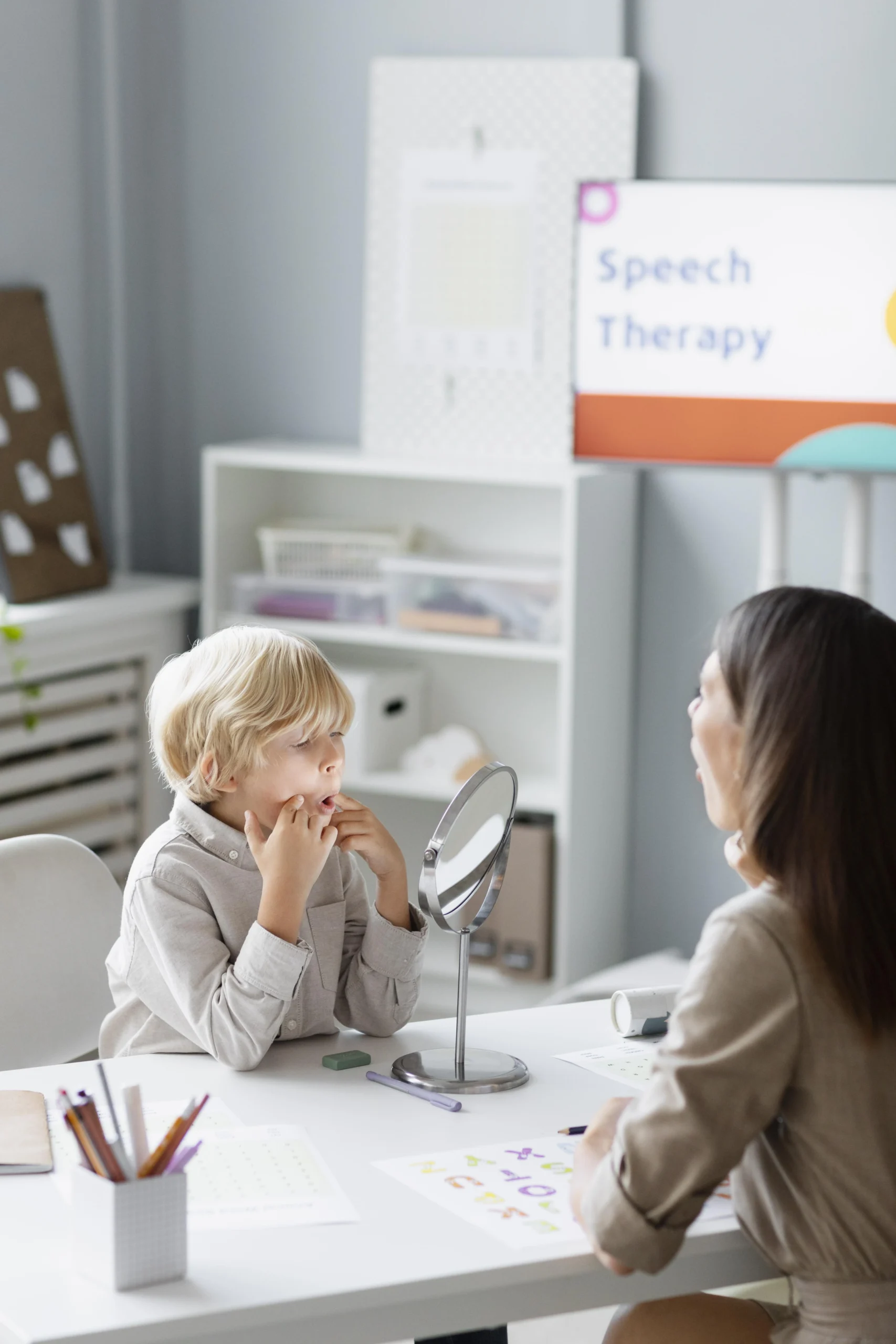
Common Signs of Speech and Language Challenges in Children
Toddlers
(Ages 1–3)
You may want to consider professional support if your toddler:
Uses very few words compared to children of a similar age
Has difficulty understanding simple instructions
Rarely attempts to imitate sounds or words
Becomes upset or frustrated when trying to communicate
Early speech delays in toddlers are relatively common. However, when these challenges persist, an evaluation can help determine whether additional support would be beneficial.
Preschoolers
(Ages 3–5)
During the preschool years, children typically begin combining words and forming simple sentences. Signs to watch for include:
A limited vocabulary for their age
Difficulty being understood by people outside the family
Trouble answering basic questions
Challenges following multi-step directions
These years are an important period for speech and language development, and early intervention during this stage can be especially effective.
School-Age Children
Older children may also benefit from speech therapy if they:
Have difficulty with speech clarity or pronunciation
Find it challenging to express ideas clearly
Experience difficulties with reading, spelling, or comprehension
Avoid speaking in class or social situations
When left unaddressed, speech and language challenges can affect academic performance, confidence, and social participation.
Speech Delay vs. Language Delay — What’s the Difference
A speech delay relates to how sounds are produced, such as articulation or clarity of speech. A language delay involves understanding language or using words and sentences to communicate ideas.
Some children experience one or both. A professional assessment helps determine the difference and identify the most appropriate support.
When Should Parents Seek Speech Therapy?
If concerns continue for several months or begin to affect your child’s daily activities, learning, or confidence, it may be time to seek professional advice. Early speech therapy can support stronger communication skills and positive long-term outcomes.
Parents are encouraged to trust their instincts—if something doesn’t feel quite right, an assessment can provide clarity and reassurance.
How Speech Therapy Supports Children and Families
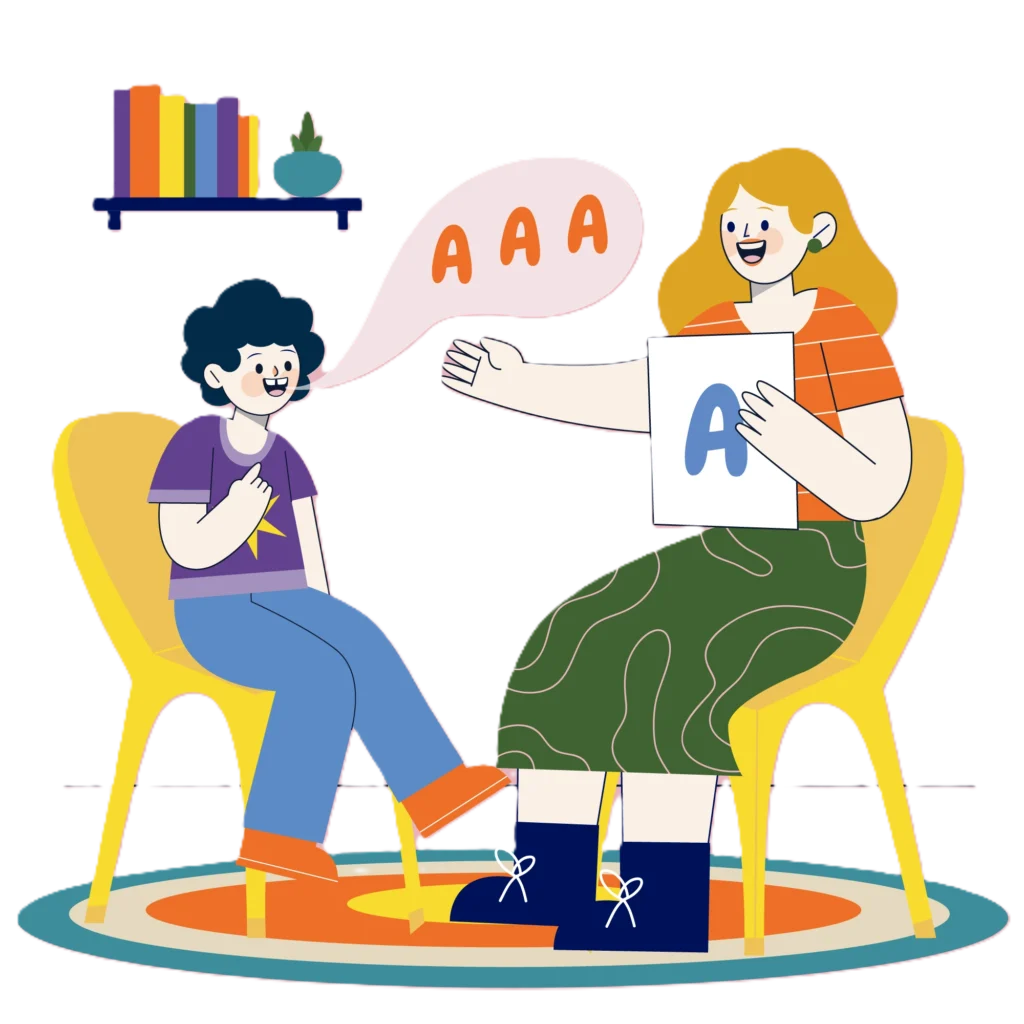
Pediatric speech therapy focuses on building strong communication skills through individualized, evidence-based strategies. Therapy not only helps children communicate more effectively but also supports emotional well-being, social development, and confidence.
At Pace Child & Family Wellness, therapy is tailored to each child’s unique needs, ensuring a supportive and family-centered approach.
Why Choosing Local Speech Therapy Matters for Families
Early speech therapy offers children the opportunity to build strong communication skills during critical stages of development. Pediatric speech therapy uses individualized, evidence-based strategies to support clear speech, language growth, and confident social interaction.
Choosing a local speech therapy clinic allows families to access consistent care, collaborate closely with therapists, and feel supported throughout the therapy process. This continuity can play an important role in helping children make meaningful progress.
At PaceWellness, speech therapy is delivered in a welcoming, family-centered environment that values collaboration and individualized care. Our team works closely with children and their families to provide thoughtful, personalized support designed to meet each child’s unique communication needs.
Supporting Your Child’s Communication Journey
If you have concerns about your child’s speech or language development, learning more about available support can be a helpful next step. Our team at Pace Child & Family Wellness is here to support children and families in Richmond Hill and surrounding communities.
Click Here